
Contact Us! We supply and ship worldwide!

Get A Quote
Your info will be protected & only be used for normal business contact.
Thank you for your message,we will contact you asap!
MESSAGE
Your info will be protected & only be used for normal business contact.
Differences Between PP Lab Furniture and Steel Lab Furniture
Author: Seean Lab Furniture
From: Seean Lab Furniture
Differences Between PP Lab Furniture and Steel Lab Furniture
PP laboratory furniture and steel laboratory furniture are Seean Lab Furniture two mainstream options, widely used in chemical laboratories, pharmaceutical labs, school laboratories, and the chemical industry. Due to differences in their material properties, these two types of furniture vary significantly in corrosion resistance, temperature adaptability, applicable scenarios, and maintenance requirements. This article analyzes their core differences to help you make an informed choice.
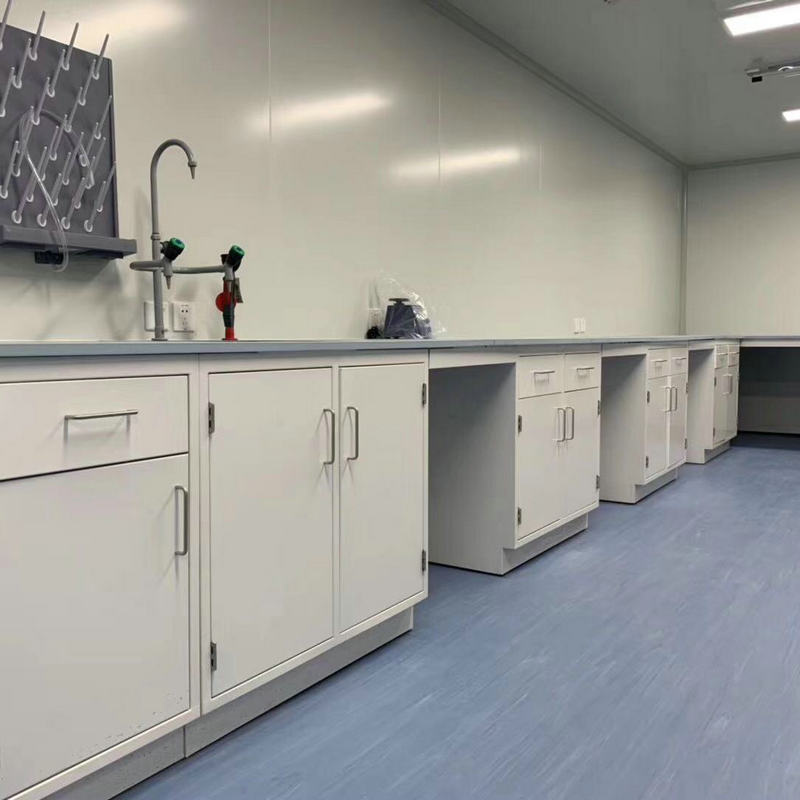
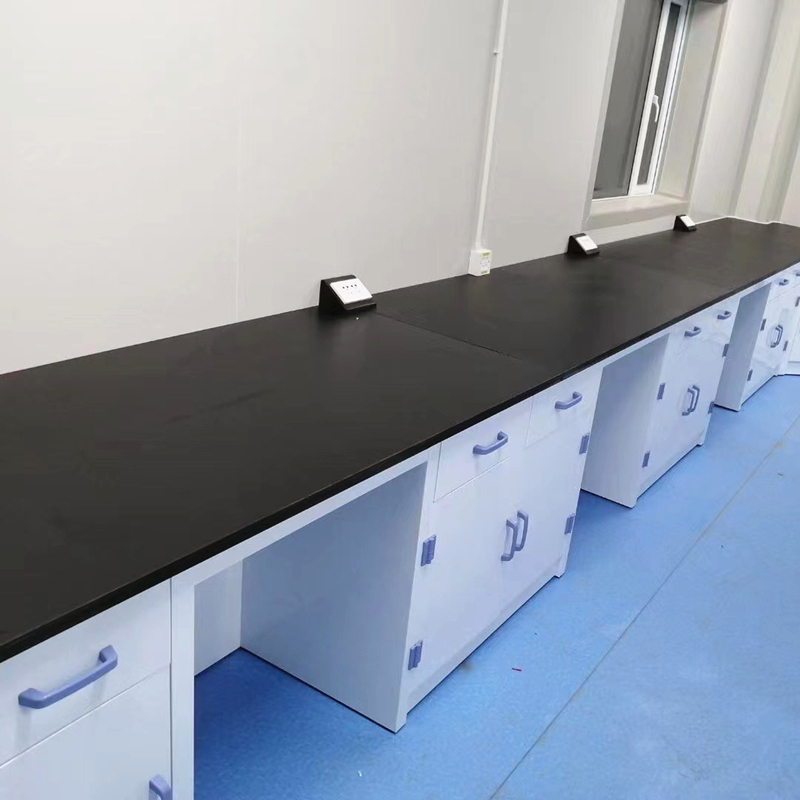
1. Core Material & Basic Properties Differences
PP Lab Furniture: Crafted from polypropylene (PP), a thermoplastic with stable chemical properties. It is non-toxic, odorless, and inherently corrosion-resistant. High-quality PP furniture is made from 8-15mm high-purity PP plates using seamless welding. Additionally, it is light weight and boasts good impact resistance. However, it is not resistant to high temperature, with a safe operating range below 80℃.
Steel Lab Furniture: Typically constructed from naked thick 0.8-1.2mm cold-rolled steel with surface epoxy coating, or alternatively from 304/316 stainless steel. Its key advantages include high structural strength and excellent load-bearing capacity. It also offers better high-temperature resistance than PP.
2. Corrosion Resistance
Corrosion resistance is the primary differentiator between the two, as it directly determines their applicability in severe corrosion environments and for strong acid and alkali experiments.
PP Lab Furniture: Excels in corrosion resistance, as it does not react with most corrosive substances (such as sulfuric acid and hydrochloric acid). Products like PP tables, PP fume hoods, and PP cabinets can maintain structural integrity even after long-term exposure to corrosives, effectively preventing damage and reagent leakage.
Steel Lab Furniture: Its coating can resist weak acids and alkalis, but not good in highly corrosive environments. 304 stainless steel offers better corrosion resistance but is unsuitable for long-term contact with strong oxidizing acids.
3. Applicable Scenarios
PP Lab Furniture: Ideal for high-corrosion scenarios, including: ① Chemical laboratories (both organic and inorganic chemistry labs) for acid-base titration, chemical synthesis, and reagent storage; ② Wastewater treatment and environmental monitoring labs that handle corrosive samples; ③ Electroplating labs with high humidity and corrosive gases. It is suitable for low-temperature environments but not for high-temperature operations.
Steel Lab Furniture: good for most laboratories, such as: ① School laboratories (for physics, biology, and general chemistry teaching experiments); ② Pharmaceutical laboratories and food testing labs that prioritize cleanliness and high-temperature sterilization; ③ Industrial R&D labs that need to house heavy precision instruments (e.g., spectrometers and chromatographs). Stainless steel versions are also widely used in clean rooms due to their easy-to-clean and wear-resistant properties.
4. Summary: How to Choose?
In conclusion, the choice between the two should be based on your laboratory’s core needs: ① For strong acid and alkali experiments or severe corrosion environments (e.g., chemical industry labs), PP laboratory furniture is the optimal choice; ② For most laboratories and low-corrosion scenarios that require high load-bearing capacity or involve high-temperature operations (e.g., school or pharmaceutical labs), steel laboratory furniture is more suitable.
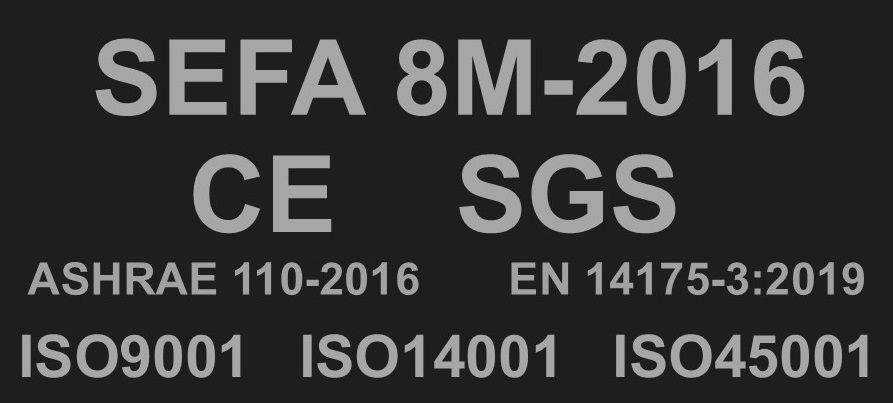
It is critical to choose products that meet international safety standards. Seean Lab Furniture offer customized PP and steel laboratory furniture solutions tailored to your specific laboratory scenarios and requirements. Feel free to contact us for detailed product specifications, test reports, and quotation information.

点击右上角
分享给朋友吧







 Long by picture save/share
Top

点击右上角
分享给朋友吧
Copyright © Guangzhou Seean Technology Co., Ltd All rights reserved
MENU
CONTACT US
 No.1 Guanjiang Road, Panyu District, Guangzhou, Guangdong, China
 0086 159 1856 8792 . WhatsApp 0086 1822 1696 992

Copyright © Guangzhou Seean Technology Co., Ltd All rights reserved Privacy Policy
