
Contact Us! We supply and ship worldwide!

Get A Quote
Your info will be protected & only be used for normal business contact.
Thank you for your message,we will contact you asap!
MESSAGE
Your info will be protected & only be used for normal business contact.
The Complete Guide to Choosing Laboratory Furniture
Author: Seeantech
From: Seean Lab Furniture
Introduction
Selecting the right laboratory furniture is one of the most critical decisions when designing or renovating a research facility. The furniture you choose directly impacts worker safety, experimental accuracy, operational efficiency, and long-term maintenance costs. With so many options available — from steel lab benches to fume hoods, storage cabinets to specialty workstations — making the right choice can be difficult.
In this comprehensive guide, we walk you through things you need to know about selecting laboratory furniture that meets your specific requirements, budget, and compliance standards. Whether you're outfitting a chemistry lab, a biological research facility, a quality control lab, or a university teaching space, this guide will help you make informed decisions.
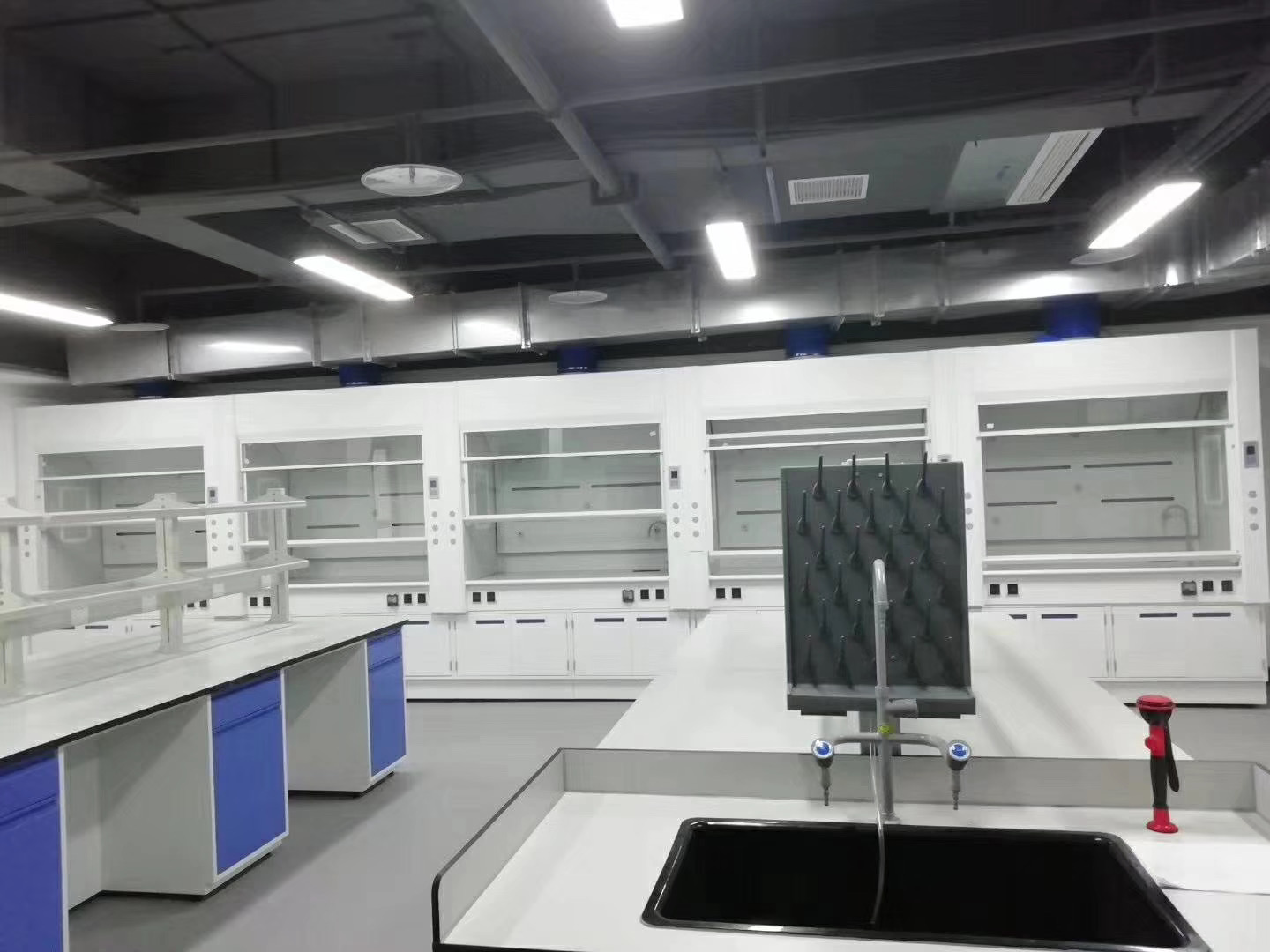
1. Understanding Your Laboratory Type and Requirements
Before you start browsing catalogs, take the time to assess your laboratory's specific needs. Different types of labs require fundamentally different furniture configurations.
Common Laboratory Types
Chemistry Laboratories:
● Require chemical-resistant surfaces, fume hoods, and robust storage for reagents. Steel construction with epoxy resin countertops is typically the standard.
Biological / Life Science Labs:
● Need sterile, easy-to-clean surfaces, biosafety cabinets, and dedicated storage for samples and cultures.
Physics / Engineering Labs:
● Demand heavy-duty workbenches with high load-bearing capacity, anti-vibration tables, and ample space for large equipment.
Clinical / Medical Labs:
● Require hygienic surfaces, organized sample storage, and compliance with healthcare regulations.
Educational / Teaching Labs:
● Prioritize durability, safety features, and multi-user configurations.
Quality Control / Industrial Labs:
● Need specialized testing stations, instrument benches, and compliance with industry-specific standards.
2. Main Laboratory Furniture Components
A laboratory basically includes several key furniture components. Understanding each component's purpose and options is essential for building a functional workspace.
2.1 Laboratory Benches / Workstations
Lab benches are the foundation of any laboratory. They come in several configurations:
Island Benches:
● Freestanding units accessible from all sides, ideal for central lab areas and collaborative work.
Wall Benches:
● Mounted against walls, maximizing floor space and providing convenient utility access.
Peninsula Benches:
● Extend from walls, offering a balance between island and wall configurations.
Instrument Benches:
● Designed specifically for housing analytical instruments, with vibration damping and cable management.
2.2 Fume Hoods
Fume hoods are critical safety equipment that protect users from hazardous fumes, vapors, and dust particles.
Ducted Fume Hoods:
● Connected to an external exhaust system, providing the highest level of containment for toxic or volatile chemicals.
Ductless / Filtered Fume Hoods:
● Recirculate filtered air, suitable for low-toxicity applications or locations where ducting is impractical.
Bench-Top Fume Hoods:
● Sit on lab benches, ideal for smaller-scale work.
Floor-Mounted / Walk-In Fume Hoods:
● Designed for large equipment or bulk operations.
2.3 Storage Cabinets
Proper storage is essential for lab safety and organization:
Reagent Cabinets:
● For storing chemical reagents, often with vented designs and corrosion-resistant interiors.
Flammable Storage Cabinets:
● Specifically designed and certified for flammable liquids, with fire-resistant construction.
Acid / Corrosive Storage Cabinets:
● Lined with acid-resistant materials for safe storage of corrosive substances.
Wall Cabinets:
● Mounted above benches for general storage and space optimization.
Mobile Storage Carts:
● Flexible storage that can be moved as needed.
2.4 Ancillary Furniture
Lab Stools and Chairs:
● Ergonomic seating designed for lab environments, with adjustable heights and chemical-resistant materials.
Sink Stations:
● For washing glassware and handwashing, with various faucet and plumbing options.
Safety Stations:
● Including eyewash stations, emergency showers, and fire extinguisher mounts.
Shelving Systems:
● For storing glassware, equipment, and supplies.
3. Material Selection: The Most Critical Decision
The materials used in your laboratory furniture determine its durability, chemical resistance, safety, and cost. Here's a breakdown of the most common options:
3.1 Frame and Cabinet Materials
Material | Key Features | Best For |
All Steel (Cold-Rolled Steel) | High durability, excellent load capacity, fire resistance, cost-effective | General chemistry labs, industrial labs, heavy-use environments |
Stainless Steel (304/316L) | Superior corrosion resistance, hygienic, easy to clean, sterile | Cleanrooms, pharmaceutical labs, food testing, medical labs |
PP (Polypropylene) | Excellent chemical resistance to acids and alkalis, lightweight | Highly corrosive environments, acid storage |
Steel-Wood Combination | Aesthetic appeal, moderate durability, lower cost | Educational labs, low-corrosion environments |
3.2 Countertop Materials
Material | Chemical Resistance | Heat Resistance | Durability | Cost |
Phenolic Resin | Excellent | Moderate | High | $$ |
Epoxy Resin | Very Good | Excellent | $$$ | |
Ceramic | Outstanding | Exceptional | Excellent | $$$$ |
Stainless Steel | Good | Excellent | Outstanding | $$$ |
4. Safety and Compliance Considerations
Laboratory furniture have specific safety standards and regulatory requirements. Key certifications and standards to look for include:
SEFA (Scientific Equipment and Furniture Association) Standards:
● Industry benchmark for lab furniture quality and performance.
ANSI/AIHA Z9.5:
● Standard for laboratory ventilation, including fume hood performance.
EN 14175:
● European standard for fume hood safety and performance.
NFPA (National Fire Protection Association) Codes:
● For flammable storage and fire safety.
OSHA (Occupational Safety and Health Administration) Regulations:
● Workplace safety requirements.
CE Marking:
● European conformity assessment for health, safety, and environmental protection.
5. Installation and After-Sales Support
The quality of installation and ongoing support can significantly impact your furniture's performance and lifespan.
What to Look for in a Supplier
Professional Installation:
● Experienced factory, mature modular products, and professional installation support.
Warranty Coverage:
● At least 1–3 years for frames and structural components.
Responsive Customer Service:
● Quick resolution of any issues or defects.
Maintenance Guidance:
● Recommendations for cleaning, care, and periodic inspections.
Spare Parts Availability:
● Easy access to replacement parts for future repairs.
6. Why Choose Seean Lab Furniture?
With years of experience manufacturing and exporting high-quality laboratory furniture worldwide, we offer:
Premium Quality Construction:
● All-steel frames with epoxy powder coating for maximum durability and corrosion resistance.
Customization Options:
● Tailored solutions to fit your exact space, layout, and functional requirements.
Global Export Experience:
● Proven track record of delivering to clients in dozens of countries across America, Europe, Africa, the Middle East, Southeast Asia, and beyond.
Competitive Pricing:
● Factory-direct pricing without compromising on quality.
Comprehensive Support:
● From initial design consultation to professional installation and after-sales service.
Certified Products:
● Our furniture meets international standards including CE, ISO, and SEFA guidelines.
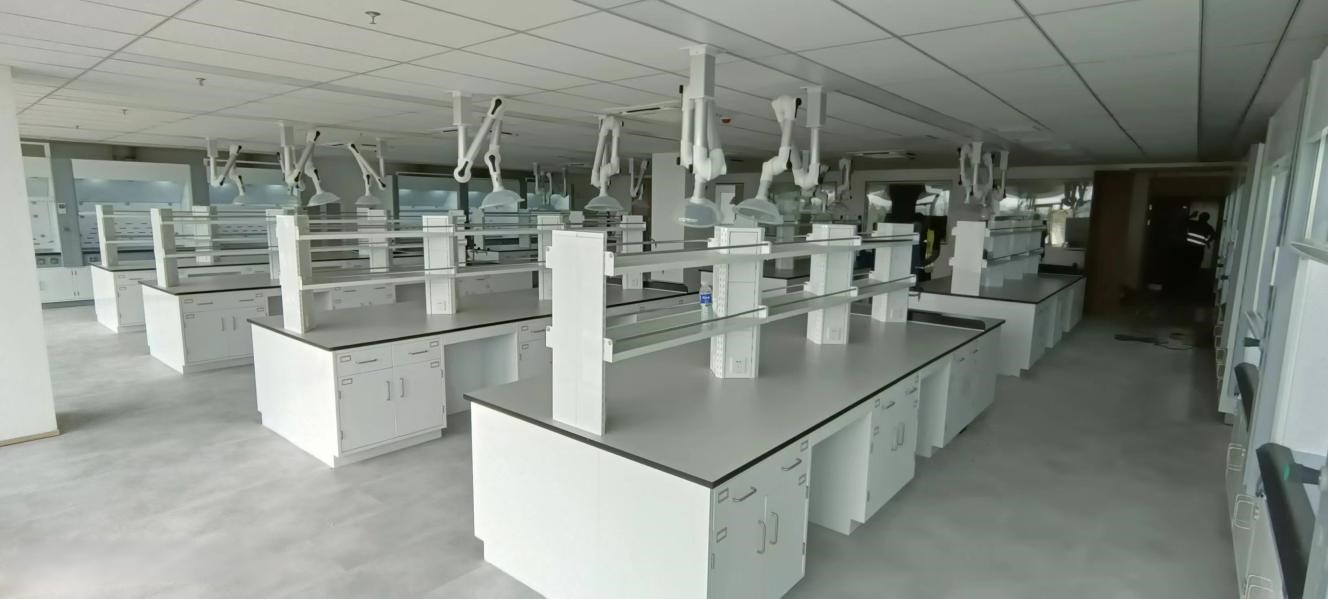
Conclusion
Choosing the right laboratory furniture requires careful consideration of your specific needs, budget, and safety requirements. By understanding the different components, materials, and standards involved, you can make an informed decision that will serve your facility for years to come.
Remember: the cheapest option is rarely the most cost-effective in the long run. Investing in quality laboratory furniture from a reputable supplier ensures safety, durability, and peace of mind.
Ready to outfit your laboratory with professional-grade furniture? Contact Seean Lab Furniture today for a free consultation and customized quote. Our team of experts will help you design the perfect laboratory solution for your needs.

点击右上角
分享给朋友吧







 Long by picture save/share
Top

点击右上角
分享给朋友吧

Copyright © Guangzhou Seean Technology Co., Ltd All rights reserved
MENU
CONTACT US
 No.1 Guanjiang Road, Panyu District, Guangzhou, Guangdong, China
 0086 159 1856 8792 . WhatsApp 0086 1822 1696 992

Copyright © Guangzhou Seean Technology Co., Ltd All rights reserved Privacy Policy
